Asia Undercovered Round-up: 19 February 2026

A Turbulent February (Feb 8 – 18)
This week, Asia was marked by a shifting political landscape following key elections and a sobering series of ongoing armed conflicts. While new power dynamics emerged in Thailand and Bangladesh, tragic news of loss of life continued to stream out of Myanmar and Pakistan. Meanwhile, the impeachment proceedings in the Philippines and India’s strategic moves in AI have also remained at the forefront of the regional agenda. Adding to this volatility, an unexpected digital front has opened: Malaysian and Indonesian X users have formed a rare united front against South Korean users in a heated dispute over cultural supremacy and racism.
Bhumjaithai Seizes Power Amid Nationalist Shift
In the snap general election held on February 8, 2026, the Bhumjaithai Party, led by Anutin Charnvirakul, emerged as the dominant force, securing 194 out of 500 seats. While the progressive People’s Party was expected to lead, they finished with 115 seats, subsequently conceding and opting to serve as the opposition. Meanwhile, the Thaksin-linked Pheu Thai Party plummeted to just 77 seats. Notably, a concurrent referendum saw voters overwhelmingly support (2:1) replacing the military-backed 2017 Constitution, signaling a massive upcoming constitutional overhaul. (The Rise of "Smart Authoritarianism", as first observed by Dunia.)
Seulki’s Take: The decisive factor in Bhumjaithai’s victory was the media’s construction of a "security and nationalism frame" following the 2025 Thai-Cambodian border conflict. By uncritically echoing military narratives and amplifying a sense of crisis, mainstream media sidelined reformist agendas and cemented pro-establishment sentiment as the dominant voter psychology.
The BNP’s "Silent Coalition" Landslide
The Bangladesh Nationalist Party (BNP) achieved a staggering victory, securing 212 seats—a two-thirds majority. According to Netra News, this was made possible by an informal "Silent Coalition" consisting of liberals, clerics, and minority groups (including Hindus).
- The Rise of Islamist Politics: The Jamaat-e-Islami recorded its best-ever performance with 70 seats (~30 percent vote share) but failed to form a broader "Great Islamic Front" due to internal clerical opposition.
- The Z-Generation Factor: The National Citizen Party, born from the 2024 student revolution, won 6 seats. While they have successfully entered parliament, they now face the challenge of maintaining their identity while compromising within the Jamaat-led alliance.
- A Fragile Mandate: Analysts warn that the BNP's base is highly fragmented. Any return to authoritarianism could cause this fragile coalition to collapse instantly.
Military Airstrikes and China’s Monopoly on Mediation
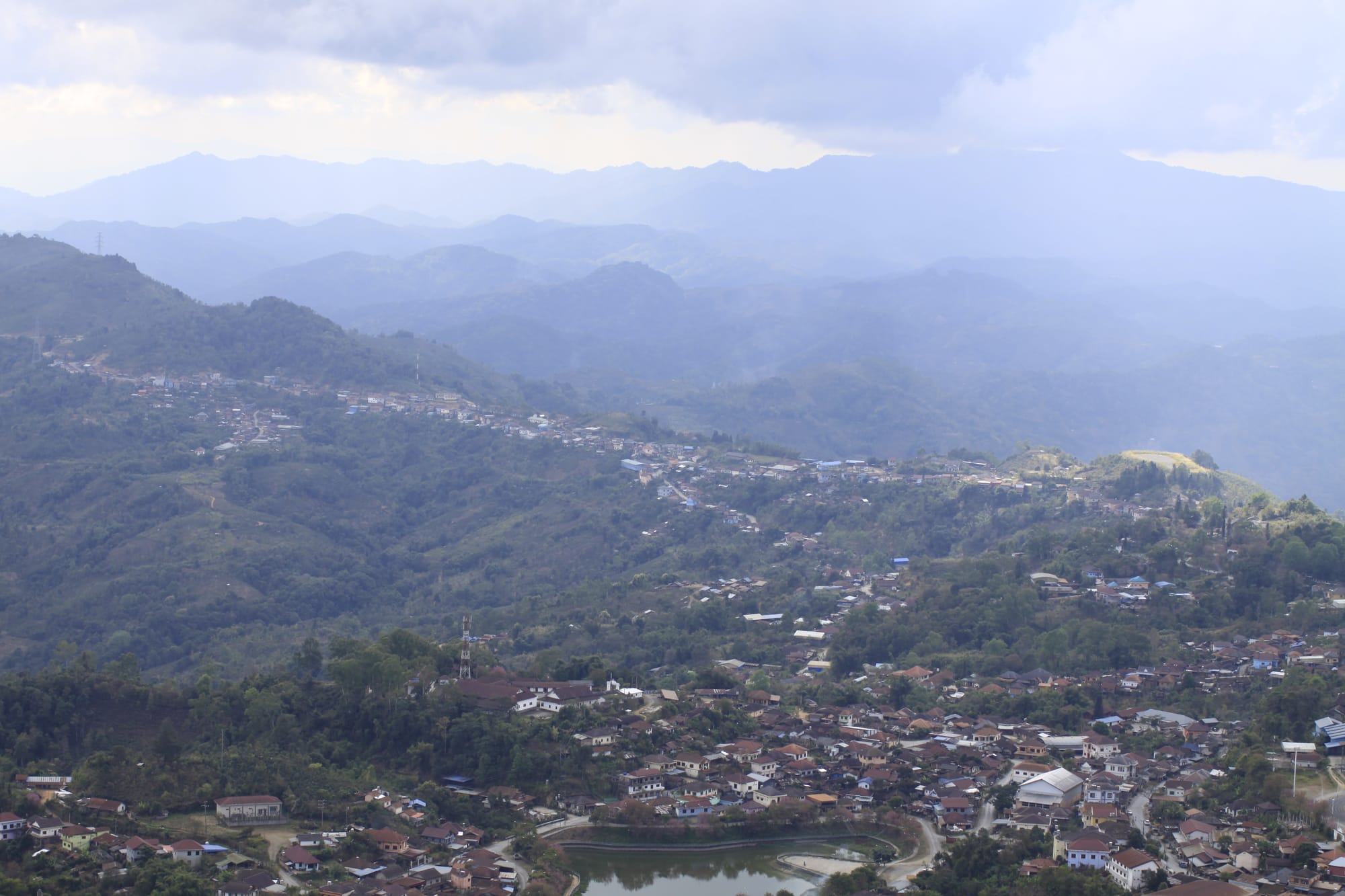
Yod Serk, chairman of the Restoration Council of Shan State (RCSS), reported that military junta airstrikes have hit over 1,000 civilian areas in the past 15 months, resulting in at least 1,728 deaths. He criticized the international community for its silence, noting that China is currently the only actor effectively intervening. Beijing is reportedly using its influence to protect "Belt and Road" interests, effectively monopolizing the role of mediator. Yod Serk emphasized the need for trust-building among armed groups and political dialogue with the junta to end the war.
Marcos Jr. Secures One-Year Immunity
On February 10, the Philippine House of Representatives overwhelmingly (284-8) approved a report dismissing two impeachment complaints against President Ferdinand Marcos Jr. Under Philippine law, impeachment proceedings can only be initiated once a year, meaning Marcos is now officially immune from further impeachment threats until January 2027. While the complaints alleged corruption and budget abuse, the committee cited a lack of evidence. The legislature is now expected to shift its focus toward impeachment hearings for Vice President Sara Duterte.
The Bloody Cycle of Violence in Balochistan
The conflict in Balochistan reached a breaking point following a coordinated attack by the Balochistan Liberation Army (BLA) on January 31, which killed 30 civilians and 18 security personnel. The Pakistani military's retaliatory operations reportedly killed 150 insurgents, though human rights groups warn this "eye-for-an-eye" approach only deepens the cycle of violence. Balochistan is the strategic heart of the $60 billion CPEC project, yet locals continue to protest the "looting" of their resources and the exclusion of their voices, calling for political reconciliation over military force.
Strategic Retreat in the "Scam Center" Crackdown
The recent crackdown on scam compounds in Cambodia is being viewed by experts not as a genuine reform, but as a strategic retreat to protect the ruling elite from international sanctions and the 2026 FATF mutual evaluation. By treating trafficked workers as criminals to be deported rather than victims to be protected, the government is effectively fragmenting evidence of high-level complicity. This strategic de-risking aims to maintain access to international capital while managing the risks posed by U.S. sanctions and Chinese pressure.
AI’s "Third Way" or a New Testing Ground?
At the India AI Impact Summit, New Delhi promoted a "citizen-centric" model, aiming to export its Digital Public Infrastructure (DPI)—like Aadhaar and UPI—as a Global South alternative to Big Tech. However, critics argue that under the guise of "openness," India is becoming a massive testing ground for U.S. giants like OpenAI and Google. The true test of India's AI leadership will be whether it can redistribute data and computing power or if it will remain a mere provider of low-cost labor and data for the global AI supply chain.
South Korea vs. SE Asia: Conflict Escalates on X with #SEAblings Movement
What began as a concert etiquette dispute in Malaysia has escalated into a digital war between Korean and Southeast Asian X users. Under the hashtag '#SEAblings,' Southeast Asians are turning their pro-democracy solidarity into a powerful anti-hate movement against Korean cultural superiority and racism.
Asia Undercovered: Round-ups and in-depth analysis of the news, events, trends and people changing Asia, but not getting enough attention in the US media. Curated by journalist Seulki Lee, the founder and executive director of Asian investigative journalism network Dunia.
If you liked or found any interesting and meaningful reading this newsletter, consider buying me a coffee or donate to fuel the next round-up. I'm here every other Wednesday!
Thank you for your support!