Asia Undercovered Round-up: 12 October 2026

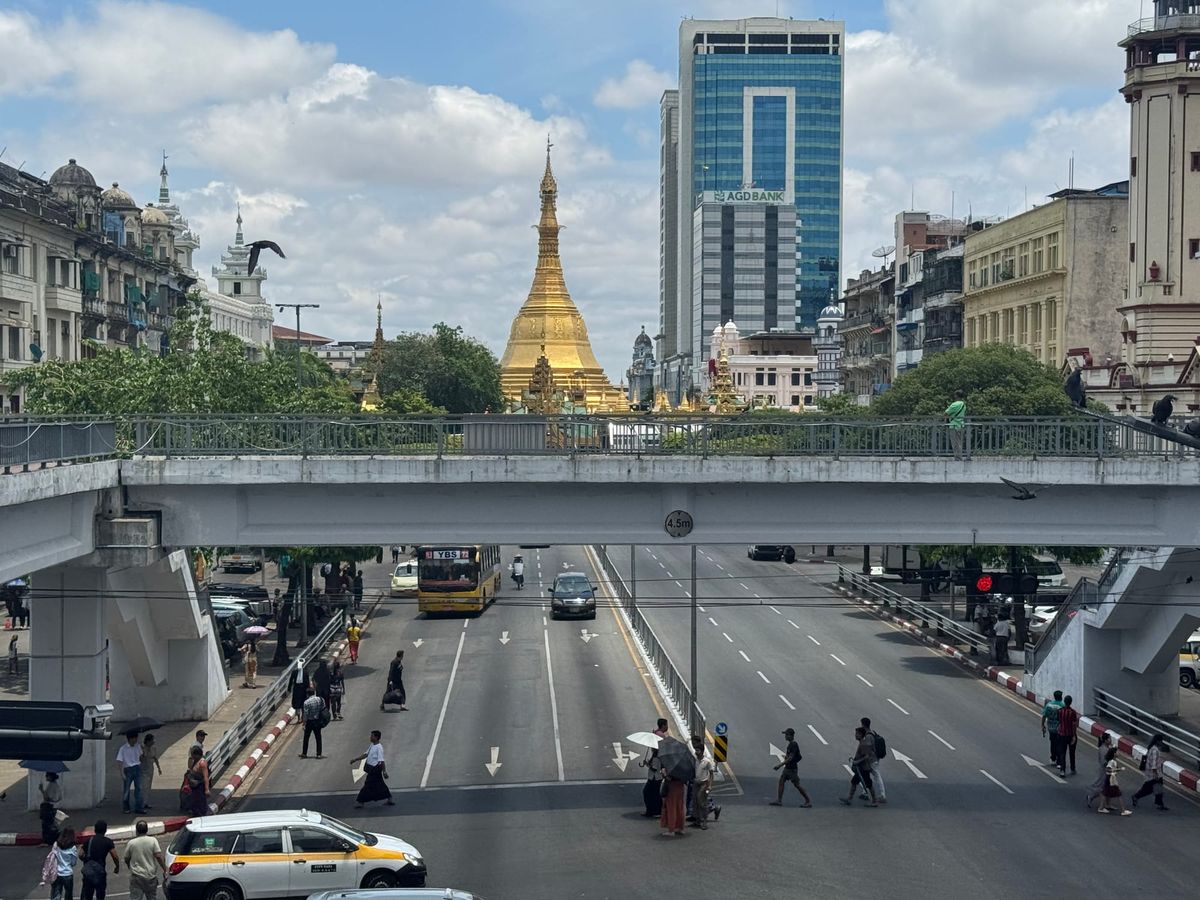
This week, the generals who seized power in Myanmar in 2021 found doors opening in Washington and across ASEAN, South Korea and Ukraine's diplomatic fallout, while minerals dug from their war zones keep poisoning rivers downstream. We also look at what it costs to report on disasters in the Mekong, the heat inside Cambodia’s garment factories, and a quiet foreign-policy recalibration in Dhaka.
Myanmar’s Generals Come in From the Cold
The Trump administration has opened direct talks with Myanmar’s military-installed government, reversing years of isolation. State Department intelligence chief Michael Vance met coup leader-turned-president Min Aung Hlaing in Naypyitaw on September 15–16. It was the highest-level contact since the coup. The talks were framed around freeing detained US businessman Adam Castillo and shutting down scam centers, but they also touched on access to Myanmar’s heavy rare earths. Less than two weeks later, a military airstrike on a market in Rakhine State killed more than 50 people.
ASEAN neighbors are moving the same way. After Thailand gave Min Aung Hlaing the red-carpet treatment, Malaysia’s Anwar Ibrahim is now hosting him, offering friendship and trade in exchange for taking back refugees. Malaysia hosts more than 200,000 refugees from Myanmar, about 126,000 of them Rohingya. Don Pathan notes that Thailand has sent at least 70 letters to Naypyidaw about land and air intrusions since 2021, and none has been answered.
Next door, the US State Department kept Cambodia at Tier 3, its worst trafficking rating. The government says it raided more than 600 scam sites, but it prosecuted no scam-related traffickers. Instead, it detained tens of thousands of former scam workers with little or no screening for trafficking victims.
Seoul and Kyiv’s Prisoner Row
What should have been a quiet humanitarian handover has become one of South Korea’s sharpest diplomatic disputes in years. At the UN General Assembly on September 23, Ukrainian President Volodymyr Zelensky announced that Kyiv had transferred two North Korean soldiers, captured in Russia’s Kursk region, to South Korea. Seoul says both sides had agreed to keep the transfer secret to protect the soldiers and their families in the North. Zelensky’s office says South Korea was told in advance that he would mention it. President Lee Jae Myung accused Ukraine of undermining him and demanded an apology. He also condemned Zelensky’s warnings of an imminent inter-Korean clash, which Lee said amounted to invoking the risk of war on the peninsula. The timing was sensitive: Lee’s government has been trying to ease tensions with Pyongyang, even though inter-Korean dialogue channels have been frozen since the Yoon Suk Yeol administration.
Ukraine’s foreign minister Andrii Sybiha called it a diplomatic misunderstanding and sent a message of regret. Foreign Minister Cho Hyun said that fell short, and on October 8 Seoul recalled its ambassador to Kyiv. Friction has since spread to claims that petroleum from South Korean ports reached Russia. Observers think Zelensky made the disclosure to spotlight North Korea’s military role and win more support for Ukraine. The cost may be a key partner: South Korea has given Ukraine USD 445 million in humanitarian aid since 2022, and Kyiv holds intelligence on Pyongyang’s battlefield cooperation with Moscow that Seoul wants.
The Downstream Cost of Critical Minerals: Myanmar, Thailand, Indonesia
At the Pheung Khleung border crossing, Mongabay watched cranes swing bags of antimony from Myanmar trucks onto Thai ones. It then traced the trade through more than 50 Thai importers. In the first nine months of 2025, Thailand imported over 105,000 tons of critical minerals from Myanmar, worth roughly USD 422 million and more than double the 2024 total. Most of it is re-exported to China. Meanwhile, Thai authorities have found arsenic, cadmium and lead in at least six rivers, including the Kok, Sai, Mekong and Salween. Importers say they don’t know which mines their minerals come from, and two listed companies traced back to an abandoned lot and an address that doesn’t exist.
In Indonesia, which supplied more than 60 percent of the world’s nickel in 2025, Climate Rights International’s new report Busy Surviving documents the impact on women in Southeast and Central Sulawesi. With fisheries collapsing, many former fisherwomen now pick waste, run small ferries or sell roadside snacks for far less income, and some families eat plain rice for days. As one waste picker in Morowali put it: “If we could trade, we would trade villages.”
When Reporting the Disaster Is the Crime
Across the Mekong region, covering natural disasters can land journalists in prison. Myanmar photojournalist Sai Zaw Thaike is serving 20 years with hard labor for covering Cyclone Mocha. In Vietnam, Facebook users have been fined for flood posts deemed untrue, and the amended Press Law now requires journalists to disclose sources to the police on request. A decree issued September 25 adds fines of up to 400 million dong (about USD 15,500) for information that harms the country’s “image.”
Indonesia is tightening control of a different kind of information. The forestry ministry now threatens prosecution under the ITE Law, with prison terms of up to nine years, for downloading geospatial data from its SIGAP platform without written permission. An official said the rule covers only shapefiles and that NGOs won’t get them at all. If NGOs want analysis, the ministry offers to do it for them.
Inside Cambodia’s Hottest Factories
Garment workers carried thermometers to work for a Mekong Independent investigation into heat stress. Phnom Penh now sees 112 days a year at 35°C or above, up from 35 in the late 2000s. One veteran worker at SWJ spent 80 percent of her factory hours at “dangerous” or “extremely dangerous” heat-index levels. At an unregistered subcontracted factory sewing for brands like Champion, the figure reached 83 percent of the workday. Collective hourly targets compound the strain: one worker drinks only about 750 ml of water a shift so she won’t hold up the line with toilet breaks. Cambodia’s 2002 sub-decree on workplace temperature never set an actual number, while Vietnam and Thailand have.
Recalibrations in Dhaka and Jakarta
Bangladesh’s new prime minister Tarique Rahman is reviewing all 101 agreements signed with India under Sheikh Hasina. He visited Beijing before New Delhi, is advancing a Chinese J-10CE fighter deal, and is planning a drone plant with Turkey. Maruf Hasan argues this is diversification rather than a simple China-versus-India pivot. The Ganges Water Sharing Treaty, which expires in December, will be the real test.
In Jakarta, the Constitutional Court found no convincing evidence that Vice President Gibran Rakabuming Raka held the required high school diploma. It still dismissed the petition to disqualify him, ruling that the petitioners lacked legal standing. The ruling lands amid visible strain between President Prabowo and Gibran’s father, former president Jokowi.
A Mountain Fell in Rasuwa
Following up on our Nepal coverage, climate strategist Arup Rajouria argues in Nepali Times that the Bhote Kosi-Trisuli disaster was no “Himalayan tsunami.” It was a cascading mountain failure: an ice-rock avalanche off Langtang Lirung turned into a debris flow, blocked the river and then burst through. The label matters, he says, because watching rivers alone catches such disasters only after they have begun. He calls for an International Center for Glaciers and Permafrost to monitor unstable slopes before they collapse.
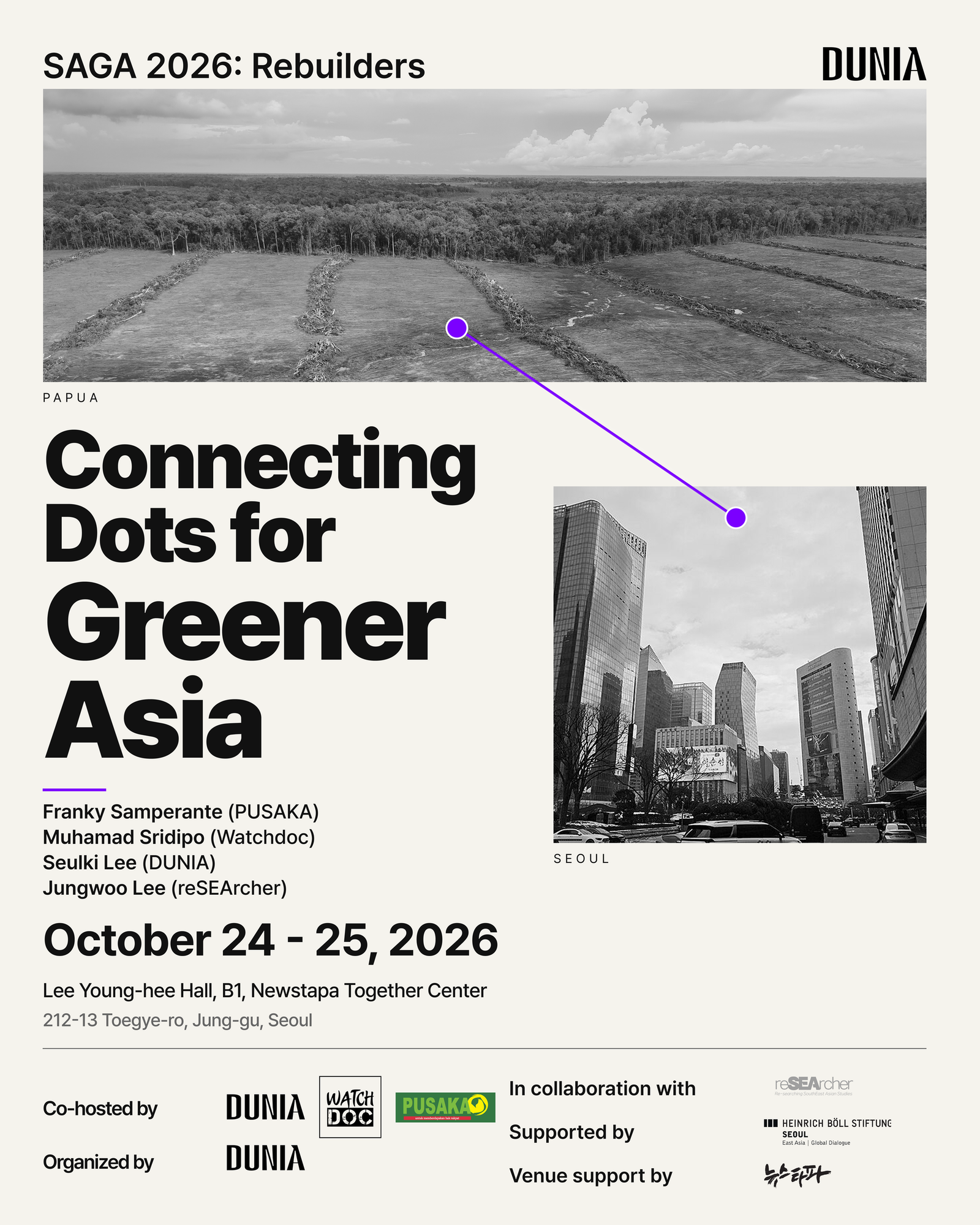
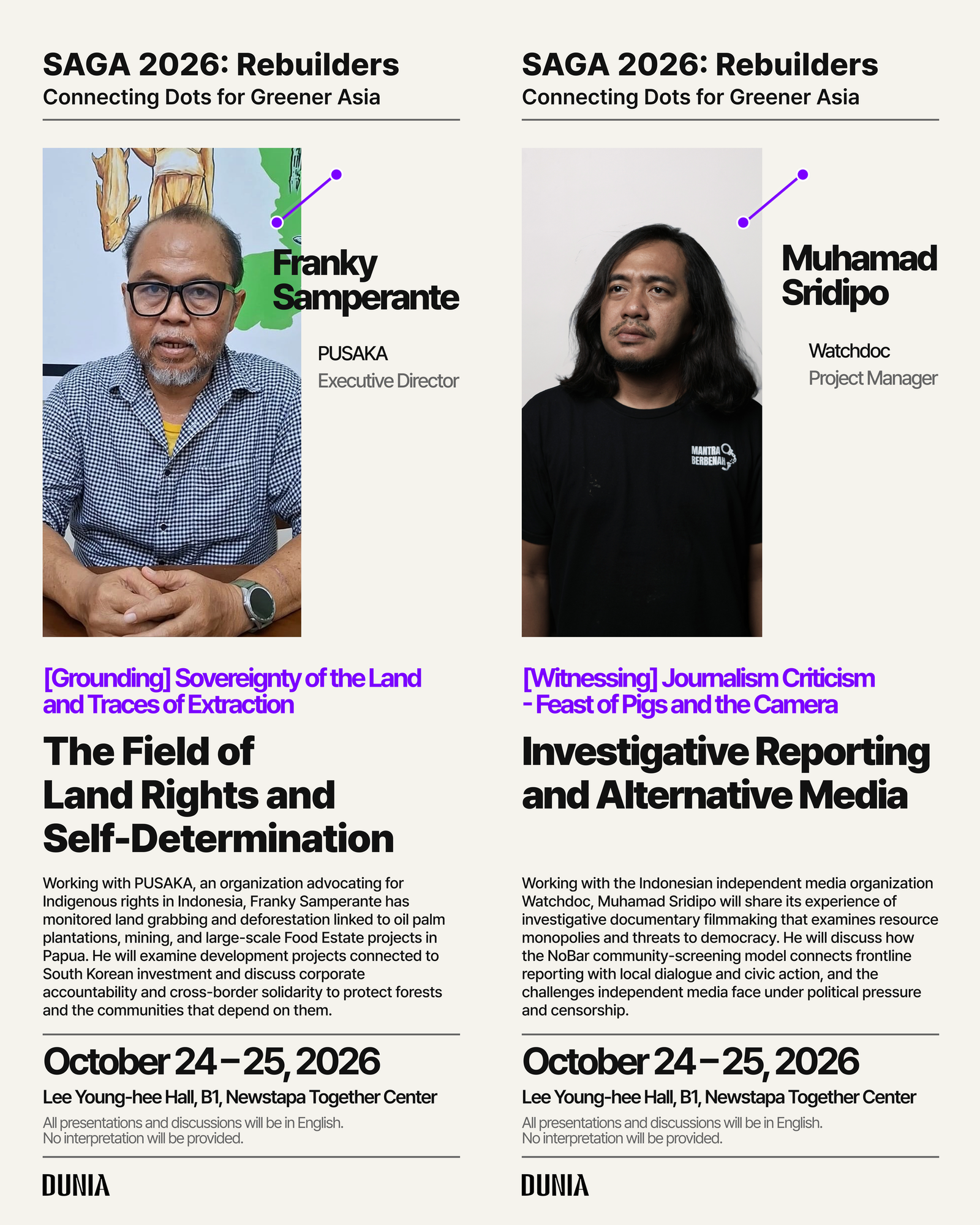
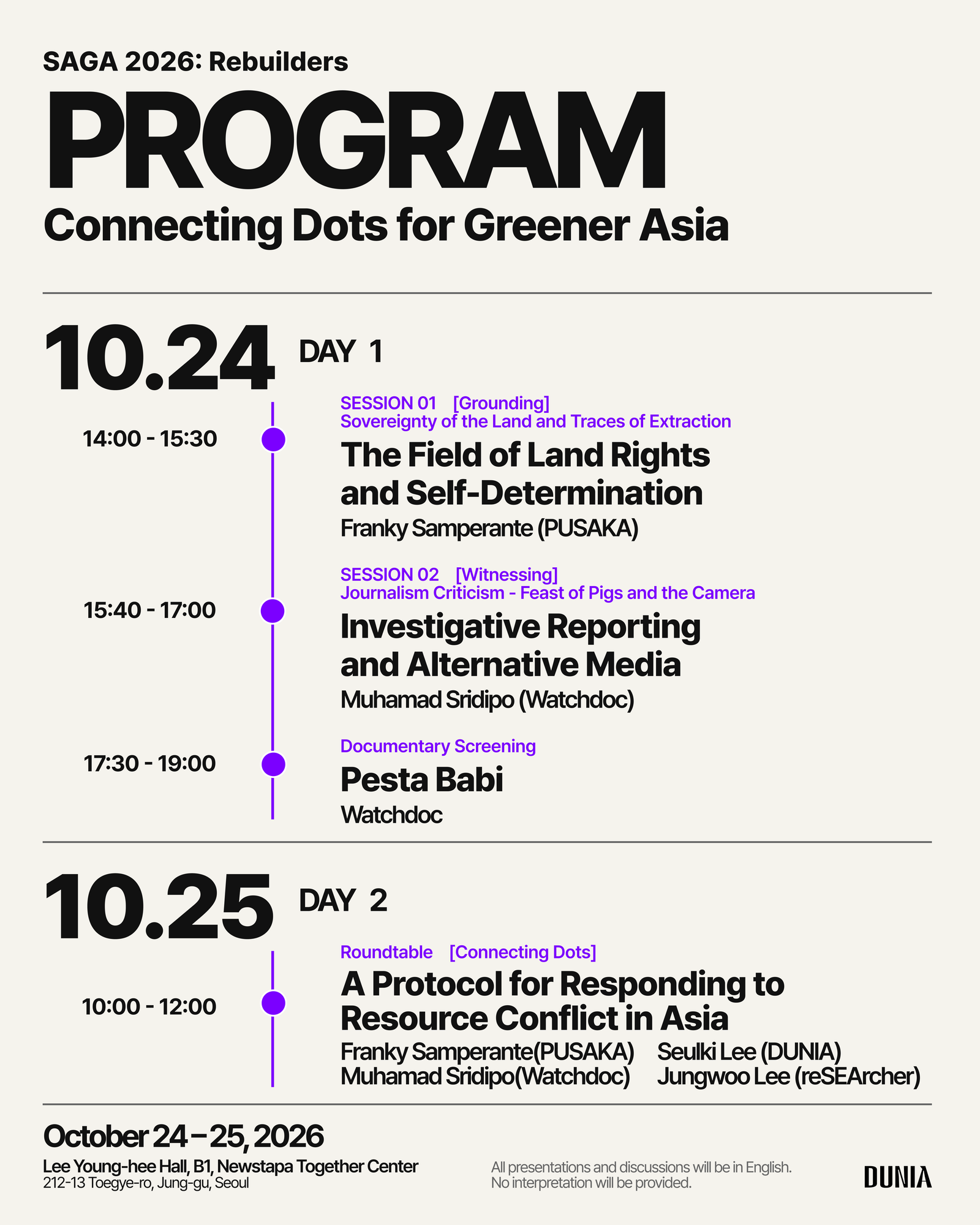
Dunia 1st anniversary forum “Connecting Dots for Greener Asia,” 24–25 October, Seoul

Asia Undercovered brings you round-ups and analysis of the news, events, trends and people shaping Asia — curated by journalist Seulki Lee, founder and editor-in-chief of the Asian investigative journalism network Dunia. If you found this round-up useful, consider donating to fuel the next one.
Thank you for your support!